



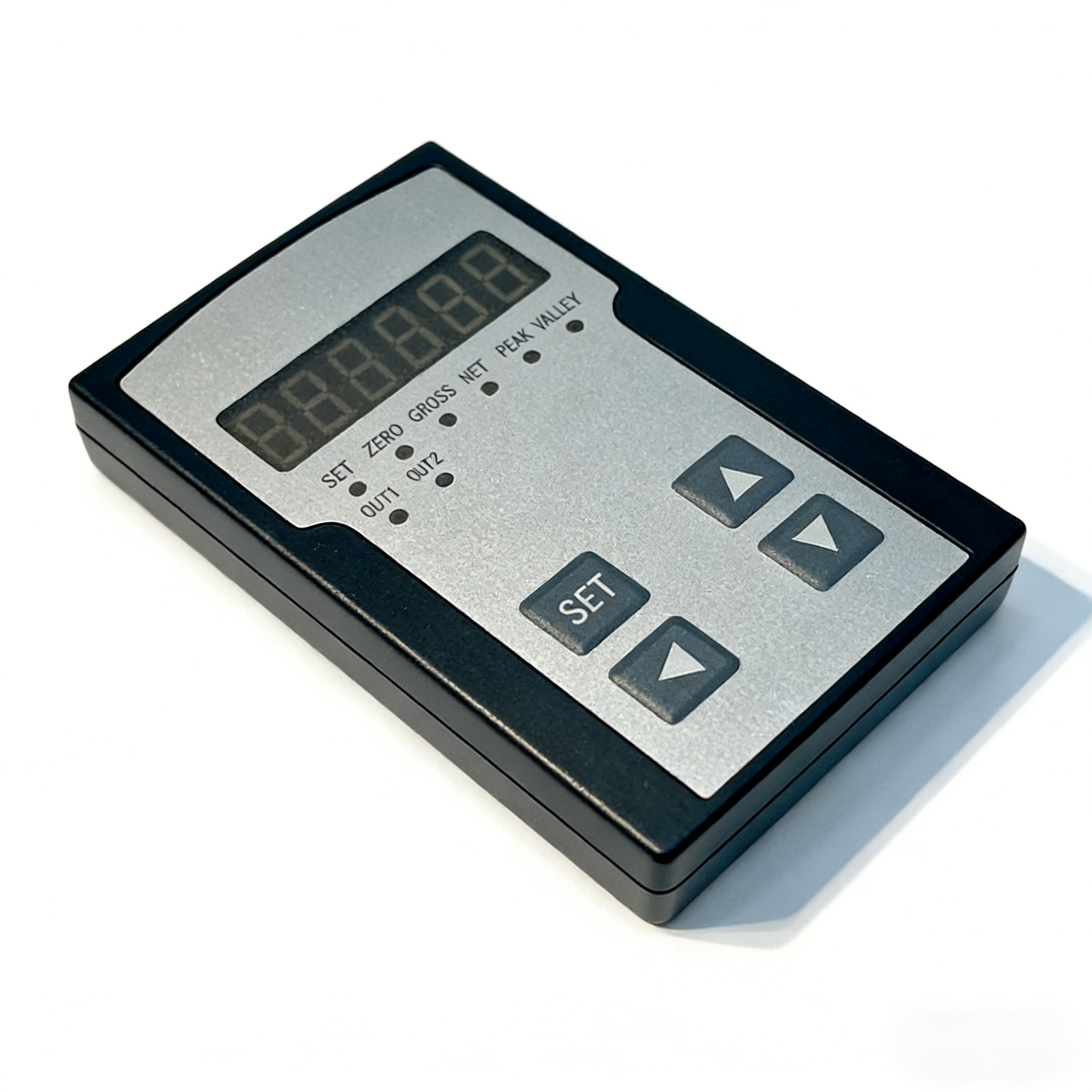
XJF-Amplifier
Amplifier: The Core Engine for Signal Boosting
An amplifier is an electronic device or circuit whose core function is to proportionally amplify the amplitude of input signals (such as voltage, current or power), while preserving original signal characteristics (frequency, phase, etc.) as much as possible.
Working Principle
The operation of an amplifier relies on the non‑linear properties of active components such as transistors and operational amplifiers. It draws energy from external power supplies (DC power sources) to convert low‑energy input signals into higher‑energy output signals. Taking transistor amplifiers as an example: when a weak signal is fed into the base terminal, the current‑amplifying effect of the transistor creates larger variations in collector current, which is converted into voltage amplification across the load resistor.
The key mechanism leverages the current‑voltage control characteristic of electronic components to build proportional mapping between input and output. Negative‑feedback circuits are adopted to suppress distortion, ensuring signal waveforms are amplified at the target gain without distortion.
Main Functions
Signal Amplification: Raise weak input signals (audio captured by microphones, RF signals received by antennas) to levels capable of driving subsequent circuits. For instance, audio amplifiers boost millivolt‑level signals to volt‑level outputs to power loudspeakers.
Impedance Matching: Create an interface with high input impedance and low output impedance between signal sources and loads to minimize signal attenuation. RF amplifiers apply this principle to match antennas and receivers for improved energy‑transfer efficiency.
Signal Processing: As a fundamental building block for analog circuits, amplifiers work together with filters, modulators and other modules to realize signal selection and frequency conversion. One typical application is amplifying signals within targeted frequency bands in tuning circuits.
Application Scenarios
Consumer Electronics: Audio amplifiers inside smartphones and televisions drive speakers; pre‑amplifier circuits for camera image sensors boost optical signals.
Communication Systems: Base‑station RF amplifiers extend signal coverage; optical amplifiers such as EDFAs compensate signal loss over long‑haul fiber‑optic transmission.
Industrial Control: Sensor amplifier circuits convert faint physical measurements (temperature, pressure) into measurable voltage values. Medical devices use amplifiers to process bio‑electrical signals including ECG and EEG signals.
Scientific Research: High‑precision equipment such as particle accelerators and radio telescopes utilize low‑noise amplifiers to capture faint signals. In astronomical observation, amplifiers process stellar radiation signals for spectral analysis.
Acting as a bridge between faint raw signals and practical end‑use applications, amplifiers’ performance indicators including gain‑bandwidth product and noise figure directly govern system sensitivity and reliability. They are indispensable fundamental components within modern electronic technologies.
Product Inquiry